Introduction
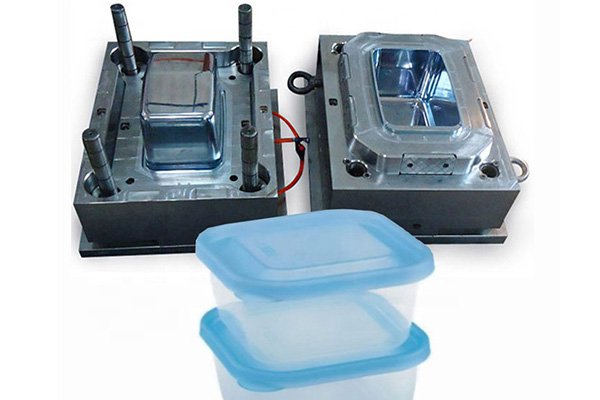
The packaging industry has seen significant transformations in recent years, driven by technological advancements, environmental concerns, and changing consumer expectations. At the heart of this evolution is molds in packaging. Molds in packaging play a pivotal role in creating packaging that is efficient, cost-effective, and sustainable. This article explores how molds in packaging are reshaping the industry, enabling manufacturers to produce high-quality packaging solutions while reducing material waste and minimizing environmental impact.
Enabling Mass Production with Precision and Speed
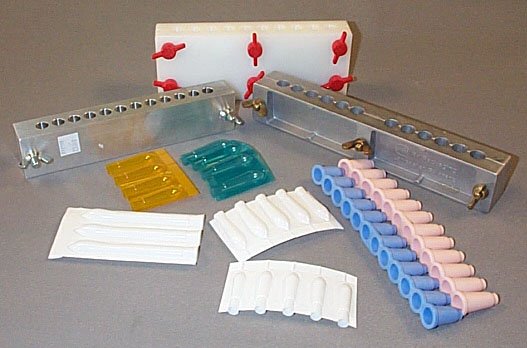
Role of Molds:
Packaging is crucial for protecting products, enhancing the consumer experience, and reflecting brand identity. With growing demand for innovative packaging solutions across industries such as food and beverage, cosmetics, and consumer electronics, molds in packaging have become indispensable. Molds in packaging enable the mass production of packaging components with exceptional precision, ensuring consistent quality, uniformity, and reliability in every piece produced.
How Molds Drive Efficiency:
By utilizing molds in packaging, manufacturers can produce large volumes of packaging items quickly while maintaining minimal variations in size, shape, or material usage. The precision provided by molds in packaging significantly reduces defects, ensuring that every packaging unit meets strict quality and safety specifications. This level of accuracy is especially critical in sectors such as food and beverage, where product integrity relies on uniform packaging components. Moreover, the speed and efficiency of molds in packaging enable companies to meet tight production schedules and respond effectively to dynamic market demands.
Reducing Waste and Improving Material Efficiency
Role of Molds:
As sustainability becomes a top priority for consumers and manufacturers alike, reducing waste is a key focus in the packaging industry. Molds in packaging contribute significantly to this effort by optimizing material usage and minimizing excess waste during production, helping companies create more eco-friendly and cost-effective packaging solutions.
How Molds Enhance Sustainability:
Molds in packaging are designed to maximize material efficiency, using only the exact amount required for each product. This precision helps reduce waste, which is especially important in the packaging industry, where excess material can be costly. Many mold technologies also support recycled materials, enabling the production of packaging that is both efficient and environmentally friendly. By minimizing waste and optimizing raw material use, molds play a crucial role in promoting sustainable packaging practices.
Enabling Customization and Innovative Designs
Role of Molds:
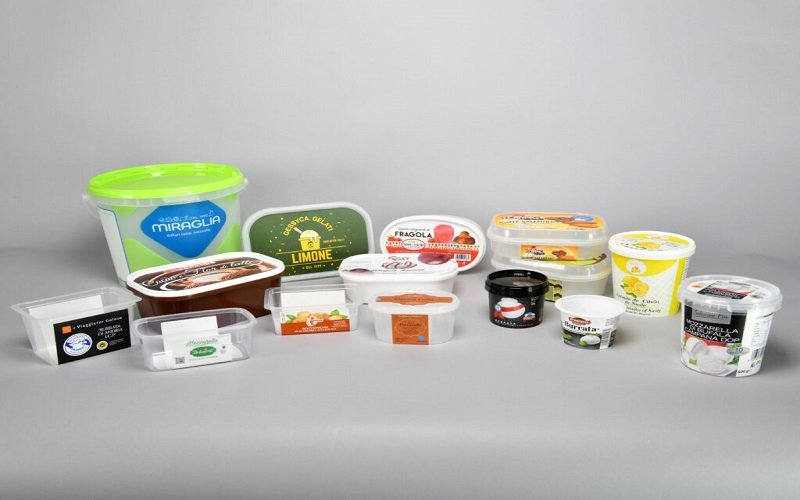
In today’s competitive packaging market, brands are striving to offer unique, eye-catching designs that set their products apart. Molds in packaging enable this creativity and customization, allowing manufacturers to produce packaging that is not only functional but also visually appealing, helping products stand out on the shelf.
How Molds Facilitate Innovation:
Molds in packaging enable intricate and highly customizable designs that are challenging to achieve with traditional methods. From unique bottle shapes and embossed logos to innovative features like tamper-proof seals, molds make it possible to produce complex and attractive packaging that enhances the consumer experience. This capability allows brands to align packaging with their identity and create products that truly appeal to their target audience.
Supporting the Shift Towards Eco-Friendly Packaging
Role of Molds:
As consumers prioritize sustainability, the demand for eco-friendly packaging continues to rise. Molds in packaging play a key role in this transition, allowing manufacturers to work with biodegradable, recyclable, and compostable materials while maintaining precision and quality in production.
How Molds Promote Sustainability:
Molds in packaging are driving the creation of solutions that are both functional and environmentally responsible. By designing molds to work with eco-friendly materials such as bioplastics, recycled plastics, and other sustainable alternatives, manufacturers can produce high-quality packaging without compromising durability or aesthetics. Moreover, these molds enable packaging that is easier to recycle or repurpose, further supporting sustainability efforts.
Enhancing Product Protection and Shelf Appeal
Role of Molds:
Molds in packaging play a crucial role in creating protective solutions for products. They enable the production of packaging that safeguards items during transit and handling while also enhancing shelf appeal, ensuring that the product reaches consumers in optimal condition and stands out in the marketplace.
How Molds Improve Packaging Performance:
Molds in packaging allow manufacturers to create strong, durable, and impact-resistant packaging components that provide excellent protection for fragile or perishable products. Custom molds can produce packaging that fits items precisely, minimizing the risk of damage during shipping. Additionally, molded packaging enhances visual appeal on store shelves, helping products stand out and attract consumers. By combining protection and design, molds in packaging enable manufacturers to deliver packaging solutions that safeguard products while promoting them effectively.
Streamlining the Supply Chain and Reducing Costs
Role of Molds:
The packaging industry operates in a fast-paced environment where cost efficiency and timely delivery are crucial. Molds help streamline the packaging production process by enabling faster turnaround times and reducing production costs.
How Molds Drive Cost Efficiency:
Once a mold is designed and produced, it can be used repeatedly to manufacture packaging items at a much lower cost per unit than traditional methods. The high efficiency of molded production helps reduce labor costs and material waste, ultimately driving down the overall cost of packaging. Additionally, molds allow for faster production cycles, which can help manufacturers meet tight deadlines and reduce lead times, improving supply chain efficiency. By lowering production costs and improving turnaround times, molds contribute to a more cost-effective packaging process.
Meeting Regulatory Standards and Ensuring Quality
Role of Molds:
Packaging often needs to meet stringent regulatory standards related to product safety, labeling, and environmental impact. Molds are essential in ensuring that packaging components comply with these regulations, while also maintaining high-quality standards.
How Molds Ensure Compliance:
Molded packaging can be precisely engineered to meet regulatory requirements for specific industries, such as food, pharmaceuticals, and cosmetics. This includes ensuring the packaging is tamper-evident, child-proof, or resistant to environmental factors like moisture or UV exposure. Additionally, molds enable the production of packaging that can carry detailed labeling or warning messages, ensuring compliance with legal and health standards. By maintaining high-quality standards and regulatory compliance, molds help manufacturers avoid costly fines and recalls.
Conclusion
Molds have revolutionized the packaging industry by making the production of packaging more efficient, sustainable, and innovative. From enhancing design flexibility and reducing waste to promoting the use of eco-friendly materials, molds are playing an essential role in meeting the demands of today’s packaging market. As the industry continues to evolve, mold technology will remain a critical component in shaping the future of packaging, helping manufacturers deliver high-quality solutions that align with consumer expectations and sustainability goals.
Frequently Asked Questions (FAQs)
Q1: How do molds contribute to the sustainability of packaging?
A: Molds help reduce material waste and allow the use of eco-friendly materials, making packaging production more sustainable. They also enable the design of packaging that is easier to recycle or repurpose.
Q2: Can molds be used to create custom packaging designs?
A: Yes, molds allow manufacturers to create custom shapes, sizes, and designs for packaging, helping brands differentiate their products and appeal to consumers.
Q3: How do molds improve the efficiency of packaging production?
A: Molds enable high-speed, high-volume production with minimal variation, reducing labor costs, material waste, and production time, leading to cost savings.
Q4: What role do molds play in enhancing product protection?
A: Molds are used to create packaging that fits products securely, providing durability and impact resistance to protect items during transit and handling.
Q5: How do molds help meet regulatory standards in packaging?
A: Molds can be designed to meet specific industry regulations for safety, labeling, and environmental impact, ensuring packaging complies with legal requirements.
Sources
Packaging Innovation – “Mold Technology and Its Impact on Packaging Design.”
Sustainability in Packaging – “How Molding Contributes to Eco-Friendly Packaging Solutions.”
Manufacturing Insights – “The Role of Molds in Streamlining Packaging Production.”