Introduction
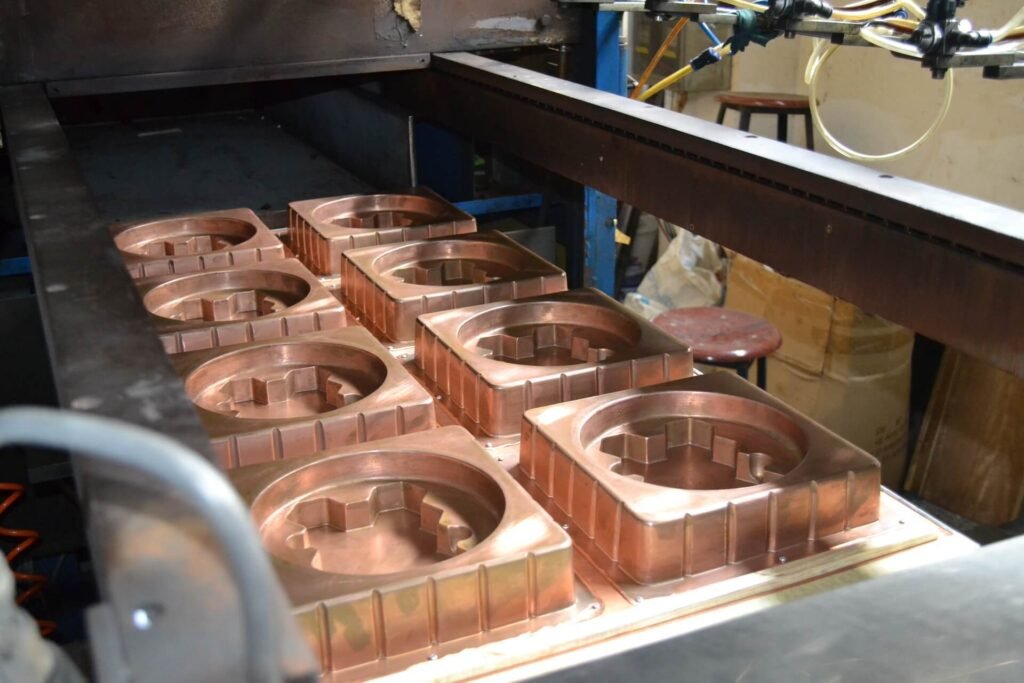
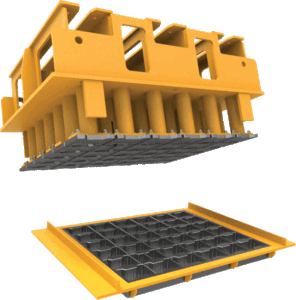
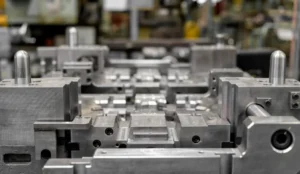
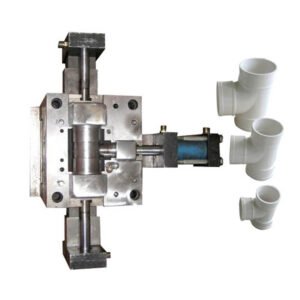
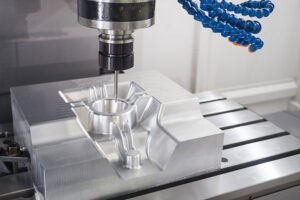
The construction industry is evolving rapidly, and one of the key elements driving this transformation is the use of Molds in Construction Materials in the production of construction materials. Molds are not only essential for shaping high-quality materials but are also enabling manufacturers to meet the demands of modern architecture, sustainability, and design innovation. This article explores how molds are reshaping the construction sector, improving the quality and versatility of materials used in buildings and infrastructure.
1. Shaping High-Quality Concrete Components
Role of Molds:
Concrete is the backbone of most modern construction projects, and Molds in Construction Materials are indispensable in creating concrete components with precision and consistency. Whether it’s for foundation elements, beams, columns, or decorative features, molds are used to shape concrete into the desired form.
How Molds Enhance Concrete Production:
By using Molds in Construction Materials, manufacturers can produce uniform concrete components that meet specific strength, durability, and aesthetic requirements. Molds allow for intricate designs, such as custom textures, patterns, and architectural details, which would be difficult to achieve with traditional casting methods. This precision also reduces the risk of defects, ensuring that each piece fits perfectly into the construction project, leading to smoother assembly and faster project completion times.
2. Enabling Custom and Innovative Designs
Role of Molds:
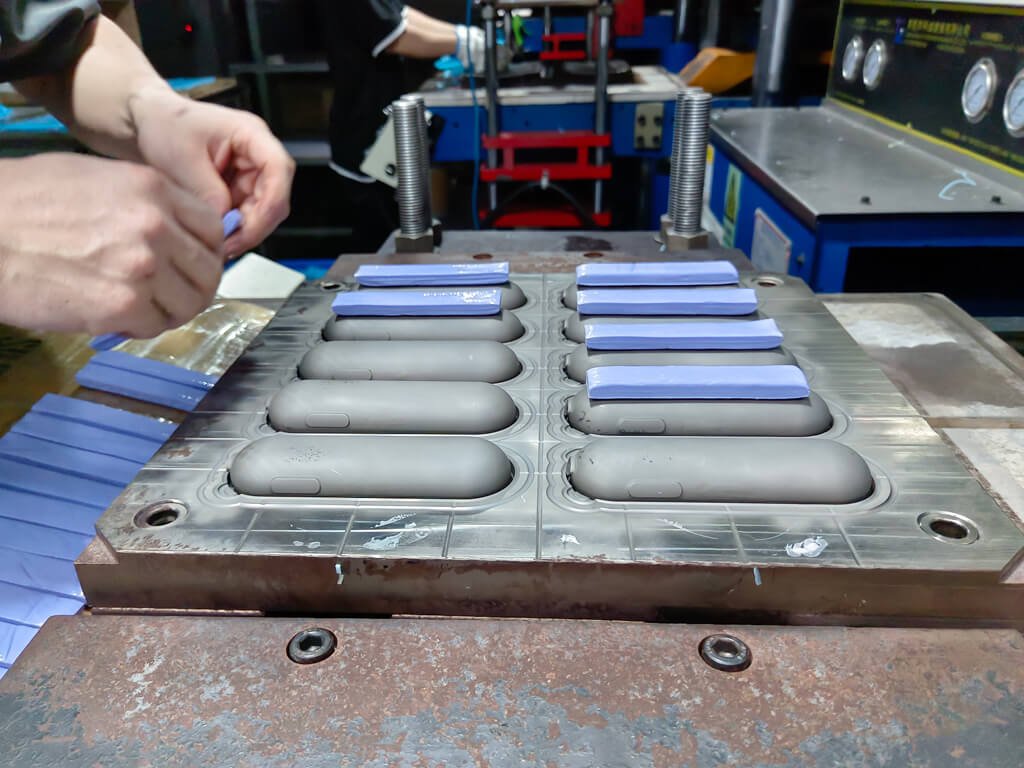
As modern architecture embraces more complex and creative designs, the need for custom Molds in Construction Materials has grown. Molds play a critical role in enabling the production of materials that fit the unique specifications of contemporary buildings, including curved walls, custom facades, and intricate design elements.
How Molds Support Design Flexibility:
Mold technology allows architects and designers to experiment with new shapes and forms that were previously difficult or impossible to achieve. With Molds in Construction Materials, construction materials can be made in nearly any shape or size, providing endless design possibilities. For example, molds can be used to produce decorative concrete panels with geometric patterns, custom precast elements for facades, and bespoke architectural features like columns or sculptures. This flexibility helps meet the aesthetic and functional needs of modern construction projects.
3. Supporting Sustainable Construction Practices
Role of Molds:
Sustainability is a growing concern in the construction industry, and Molds in Construction Materials are contributing to more eco-friendly building practices. By using molds, manufacturers can produce construction materials that reduce waste, promote the use of recycled materials, and improve energy efficiency in buildings.
How Molds Promote Sustainability:
Molds in Construction Materials enable the use of alternative, sustainable materials in the production of construction components, such as recycled concrete, fly ash, and other environmentally friendly additives. Additionally, molds ensure precise material usage, minimizing waste during production. The ability to create energy-efficient building materials, such as insulated concrete forms (ICFs) and high-performance panels, is another example of how mold technology supports sustainable construction. These materials not only help reduce the environmental footprint of buildings but also contribute to long-term energy savings by improving thermal insulation.
4. Accelerating Construction Timelines
Role of Molds:
Time is of the essence in construction projects, and Molds in Construction Materials help speed up the production and assembly of construction materials. By streamlining the manufacturing process, molds contribute to faster construction timelines, helping contractors complete projects more efficiently.
How Molds Improve Project Efficiency:
Molds allow for mass production of Molds in Construction Materials that are ready to be used on-site, which reduces the time spent on site preparation and construction. Precast concrete elements, for example, can be produced in a factory setting and then transported to the site for rapid installation, reducing on-site labor costs and time. This method is especially useful in large-scale projects where speed and consistency are crucial. The precision of molds also means that construction materials fit together seamlessly, further speeding up the construction process and minimizing delays.
5. Enhancing Durability and Performance of Materials
Role of Molds:
One of the primary benefits of using Molds in Construction Materials is the ability to produce materials that offer superior durability and performance. Molds ensure that each construction component is uniform in size, shape, and structural integrity, contributing to the overall strength and longevity of the building.
How Molds Improve Material Performance:
By using Molds in Construction Materials, manufacturers can create construction materials that meet specific performance standards for load-bearing, weather resistance, and fire resistance. For example, molds are used to produce reinforced concrete panels, which offer increased strength and stability. Molds can also be used to shape materials like concrete blocks, bricks, and tiles with consistent quality, ensuring that they perform optimally over time. This attention to detail in material production helps to reduce the risk of structural failure and enhances the long-term durability of buildings.
6. Reducing Costs and Increasing Cost-Effectiveness
Role of Molds:
Cost control is a major concern in the construction industry, and Molds in Construction Materials offer a cost-effective solution for producing high-quality materials at scale. By optimizing the production process, molds help reduce material waste and labor costs, ultimately lowering the overall cost of construction.
How Molds Drive Cost Efficiency:
The use of Molds in Construction Materials allows for the mass production of construction components with minimal labor and material waste. Because molds enable precise and consistent manufacturing, manufacturers can use materials more efficiently, reducing the cost per unit. Precast components produced using molds can be mass-produced in a factory setting, which reduces on-site labor and assembly time. These cost savings can be passed on to contractors, making construction projects more affordable without compromising on quality.
7. Ensuring Safety and Compliance with Standards
Role of Molds:
Safety is a top priority in construction, and molds help ensure that construction materials meet safety standards and regulations. By producing standardized components that adhere to building codes, molds contribute to safer buildings and infrastructure.
How Molds Ensure Compliance:
Mold technology Molds in Construction Materials allows manufacturers to produce construction materials that meet industry-specific safety standards, such as fire resistance, seismic performance, and load-bearing capacity. This is particularly important in high-risk construction projects, such as bridges, hospitals, and residential buildings, where safety and durability are paramount. By ensuring that each molded component meets the required specifications, manufacturers can help contractors avoid potential issues during construction and ensure that the final structure complies with all necessary regulations.
Conclusion
Molds have become an integral part of the construction industry, enabling the production of high-quality materials that support modern architectural designs and sustainable building practices. From shaping concrete elements and creating custom designs to promoting sustainability and reducing costs, molds play a pivotal role in the construction process. As the demand for innovative, efficient, and eco-friendly construction materials grows, mold technology will continue to shape the future of the industry, helping to build safer, more sustainable, and aesthetically pleasing structures.
Frequently Asked Questions (FAQs)
Q1: How do molds contribute to sustainability in construction?
A: Molds help reduce material waste, support the use of recycled materials, and enable the production of energy-efficient building components, all of which contribute to more sustainable construction practices.
Q2: Can molds be used to create custom construction materials?
A: Yes, molds allow manufacturers to produce construction materials in virtually any shape or size, enabling the creation of custom-designed elements for modern architecture.
Q3: How do molds accelerate construction timelines?
A: Molds enable the mass production of construction materials that are ready for installation, reducing on-site labor time and improving project efficiency.
Q4: How do molds enhance the durability of construction materials?
A: Molds ensure uniformity and structural integrity in construction components, improving their strength, weather resistance, and overall performance over time.
Q5: How do molds help reduce costs in construction projects?
A: Molds optimize material usage, reduce labor costs, and enable the mass production of components, leading to cost savings for construction projects.
Sources:
Construction Innovations – “The Role of Molds in Modern Construction.”
Sustainable Building – “How Molding Technology Supports Eco-Friendly Construction.”
Building Materials Review – “Advancements in Mold Technology for the Construction Industry.”