Introduction
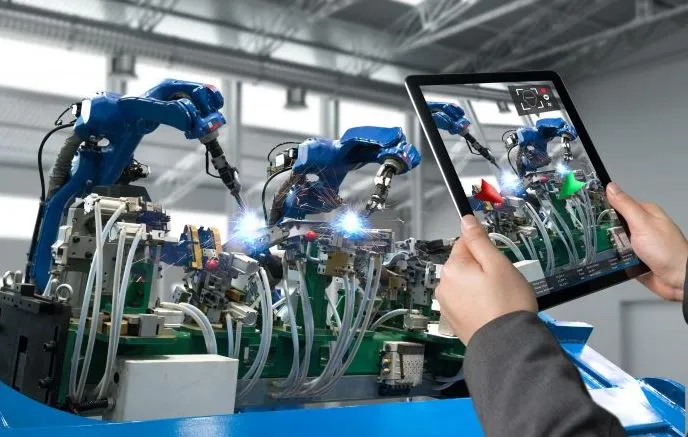
Mold production is a crucial process in manufacturing industries, influencing product quality and production efficiency. However, it also presents significant Cost Challenges in Mold Production, particularly when it comes to raw materials, labor, and technological advancements. As the demand for precision and complexity in mold designs grows, so do the costs involved. This article discusses the primary cost challenges faced in mold production and how companies can manage these costs effectively to maintain profitability and competitiveness in the market.
1. High Initial Investment in Mold Design and Equipment
Cost Challenge:
One of the most significant barriers in mold production is the high upfront investment in mold design Cost Challenges in Mold Production and the necessary equipment. The cost of specialized machinery, tools, and software required for designing molds can be substantial. Additionally, molds often require expensive raw materials, especially for high-performance products used in industries like automotive and aerospace.
Solution:
To overcome this challenge, companies can invest in advanced design software and technologies that streamline the process, such as CAD (Computer-Aided Design) and CAM (Computer-Aided Manufacturing) Cost Challenges in Mold Production systems. These tools help reduce design errors and optimize production processes, leading to lower overall costs. In some cases, outsourcing mold design and production to specialized companies with the required equipment can be a more cost-effective approach, particularly for small- to medium-sized manufacturers.
2. Material Costs and Waste Management
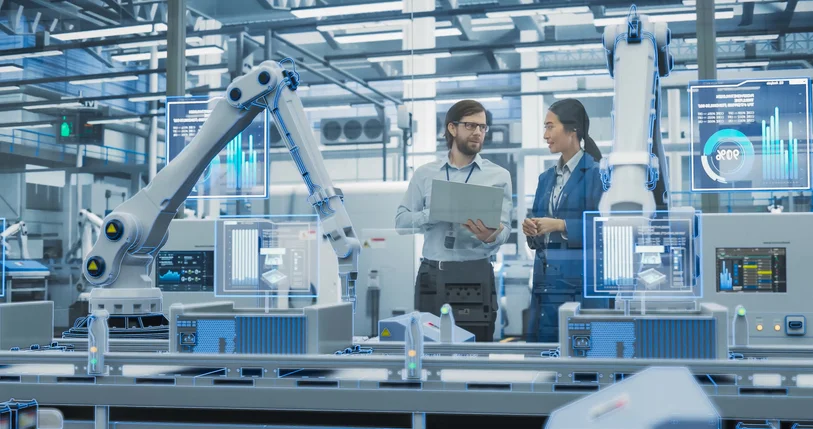
Cost Challenge:
The materials used for mold production, such as steel, aluminum, and various alloys Cost Challenges in Mold Production, can be expensive, especially when the demand for high-quality, durable molds increases. Additionally, scrap material from the manufacturing process can contribute to higher costs, particularly when molds need to be designed with precise specifications and tolerances.
Solution:
To mitigate material costs, manufacturers can implement advanced material management practices. Using recycled or lower-cost alternatives that still meet the required performance specifications can help reduce material expenses. Additionally, employing more efficient mold designs that use less material or incorporate 3D printing Cost Challenges in Mold Production for prototyping can help minimize waste. Precision in manufacturing and design optimization tools can also lead to reduced material wastage.
3. Labor and Skilled Workforce Costs
Cost Challenge:
Skilled labor is essential for producing high-quality molds Cost Challenges in Mold Production, but the cost of hiring and retaining skilled workers is continuously rising. Training new workers or keeping up with technological advancements requires both time and money, increasing overall production costs.
Solution:
Companies can reduce labor-related costs by automating specific aspects of the mold production process, such as CNC (Computer Numerical Control) machining, injection molding Cost Challenges in Mold Production, and assembly. Automation reduces the need for extensive human intervention, cuts down on errors, and increases production speed. Additionally, investing in employee training and skill development can improve efficiency and reduce the likelihood of costly mistakes.
4. Maintenance and Downtime
Cost Challenge:
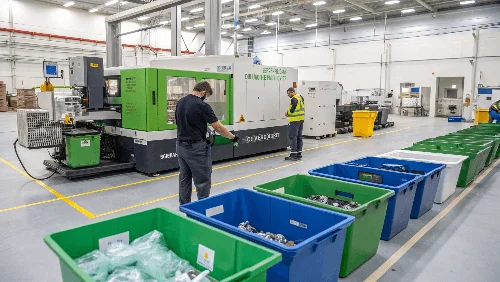
Mold manufacturing machinery and equipment are prone to wear and tear over time, requiring regular maintenance Cost Challenges in Mold Production to ensure they continue to operate efficiently. Maintenance costs, along with the potential for downtime, can significantly impact the bottom line.
Solution:
To address maintenance costs and minimize downtime, manufacturers can implement predictive maintenance strategies. Using IoT-enabled sensors and data analytics, companies can monitor equipment performance in real-time and predict when maintenance is needed Cost Challenges in Mold Production, reducing the likelihood of unexpected breakdowns. Proper maintenance schedules and investing in high-quality equipment also help extend the lifespan of machinery, reducing the need for costly replacements.
5. Energy Consumption
Cost Challenge:
Mold production can be energy-intensive Cost Challenges in Mold Production, particularly in processes like injection molding, casting, and cooling. Energy costs can quickly add up, especially in regions with high electricity prices or when operating large-scale production facilities.
Solution:
Energy-efficient technologies and processes can significantly reduce energy costs in mold production. For instance, using more efficient cooling systems, optimizing heating processes Cost Challenges in Mold Production, and incorporating energy-saving equipment can help reduce energy consumption. Additionally, integrating renewable energy sources, such as solar or wind power, can help lower long-term energy costs and make the manufacturing process more sustainable.
6. The Need for Innovation and R&D Investment
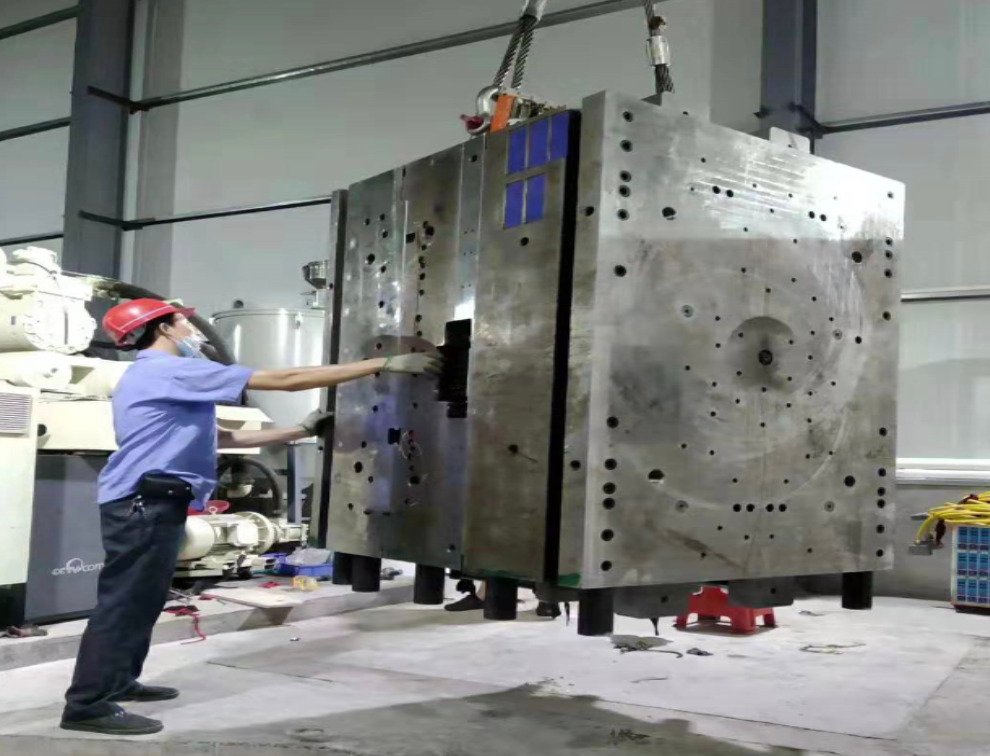
Cost Challenge:
To remain competitive, mold manufacturers must constantly innovate and adopt new technologies. However, investing in research and development (R&D) Cost Challenges in Mold Production to develop cutting-edge mold designs or incorporate advanced manufacturing techniques can be costly.
Solution:
While R&D investment is expensive, it is essential for long-term growth and efficiency. Companies can reduce R&D costs by collaborating with universities, research institutions, or technology partners who offer expertise and resources. Additionally, embracing open innovation and utilizing external networks can accelerate development processes and reduce the financial burden on the company. Moreover, focusing on incremental improvements rather than large-scale innovations can help balance cost and benefit.
7. Meeting Tight Deadlines and Customer Expectations
Cost Challenge:
With growing customer demands for faster delivery times and more complex molds, manufacturers may find themselves under pressure to produce high-quality products on tight timelines. The urgency to meet deadlines can lead to higher operational costs, especially if overtime work or expedited shipping is required.
Solution:
Effective project management and lean manufacturing practices can help mitigate the financial pressures associated with tight deadlines. By optimizing production workflows, minimizing bottlenecks, and improving communication across teams, manufacturers can streamline operations and ensure on-time delivery. Additionally, using digital tools for better scheduling, inventory management, and demand forecasting can help avoid rushed production and minimize costs.
Conclusion
Cost management is a crucial aspect of mold production, and companies must navigate various challenges to remain competitive in the industry. By investing in technology, optimizing material usage, automating processes, and adopting energy-efficient practices, manufacturers can effectively reduce costs while maintaining high-quality standards. Moreover, adopting a forward-thinking approach to R&D and workforce training can help companies stay ahead of market demands and ensure long-term profitability.
Frequently Asked Questions (FAQs)
Q1: How can automation help reduce mold production costs?
A: Automation reduces the need for manual labor, minimizes errors, and speeds up production. By automating repetitive tasks, manufacturers can cut costs, improve efficiency, and reduce reliance on skilled labor.
Q2: What are some strategies for reducing material waste in mold production?
A: Using precise design tools, recycling scrap materials, and employing 3D printing technologies can help minimize material waste. Optimizing mold designs to use less material is also an effective strategy.
Q3: How does predictive maintenance impact cost management?
A: Predictive maintenance allows manufacturers to detect potential equipment failures before they occur, reducing downtime and repair costs. This proactive approach helps avoid costly disruptions to the production process.
Q4: What is the role of R&D in managing mold production costs?
A: R&D investment helps manufacturers innovate and develop more efficient molding processes, leading to cost reductions in the long run. Collaborating with external partners and focusing on incremental improvements can make R&D more cost-effective.
Q5: Can energy efficiency really reduce mold production costs?
A: Yes, energy-efficient technologies like optimized cooling systems and renewable energy sources can significantly reduce energy consumption, lowering operating costs and contributing to a more sustainable production process.
Sources:
Manufacturing Today – “Managing Cost Challenges in Mold Production.”
Plastics Technology – “How Innovation in Mold Technology Can Reduce Production Costs.”
IndustryWeek – “Strategies for Minimizing Mold Manufacturing Costs.”